This page is under construction....................
X
This page is under construction...............
X
Contact Us: Sichuan Xinghongshun Import and Export Trading Co., Ltd
Company website: XHSTradeCredit.com
Telephone: +8619181047568
Email: Longchu0819@gmail.com
WhatsApp Business: +8619181047568
WhatsApp: +8619165669428
Disclaimers
1. The supporting arrangements for international trade credit sales need to go through the platform's risk control review. Submitting an application does not necessarily mean approval. The platform has the right to independently decide whether to grant credit, determine the payment period and credit limit;
2. This service belongs to deferred settlement arrangements under trade transactions and does not belong to financial credit businesses such as loans and fund lending;
3. The platform has the right to adjust admission conditions, payment terms, and related policies based on market environment and risk control standards;
4. The purchaser shall bear the contractual obligation to make full payment upon maturity and shall not refuse or delay payment of the goods based on their own downstream payment situation.
.
X
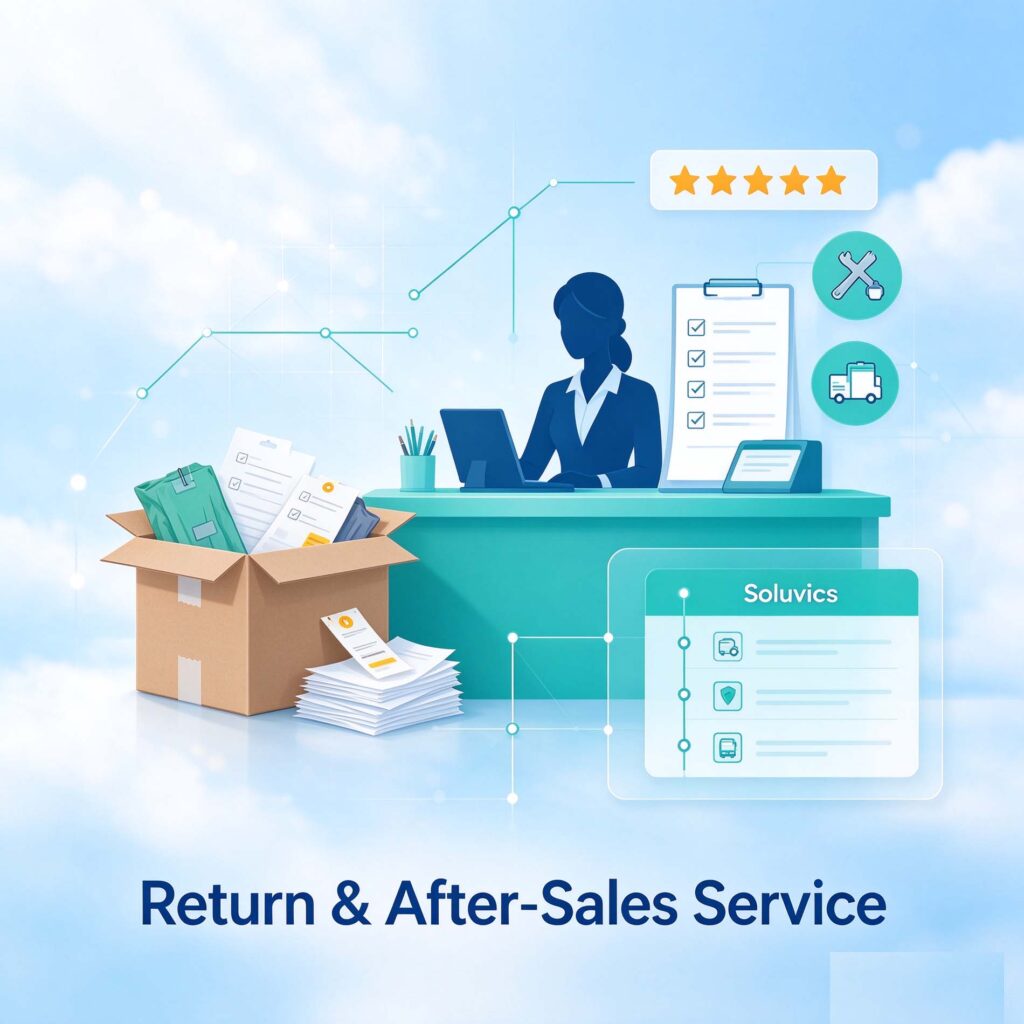
Return mechanism/after-sales service:
The buyer may only make a return claim within 30 days after receiving the goods delivered by the seller if there are quality defects (within the seller's scope of responsibility); The buyer claims that a valid third-party inspection certificate must be provided for the return. If the return is confirmed, the buyer shall bear all return transportation costs, customs clearance costs, and related expenses. The buyer shall not unilaterally return the goods solely for their own sales or market reasons.
1. After sales services include: objection and claim, return and exchange, repair, spare parts, technical services, warranty, training, documentation, and value-added services upon expiration
2. Quality Objections and Claims Services
1)Objection Period Agreement: It is agreed that the buyer shall raise a quality objection in writing within a fixed period (such as 30 days) after receiving the goods, with photos and inspection reports attached; Overdue delivery shall be deemed as qualified acceptance of the goods.
2)Dispute Resolution Method: Third party independent organization inspection (CCIC, SGS, etc.), and the inspection fee shall be borne by the party at fault.
3. Return and exchange service
1) Exchange: Only in the event of quality defects for which the seller is responsible, qualified goods will be reissued free of charge; The old goods will be arranged for return by the buyer, and the agreed shipping cost will be borne by the buyer.
2) Return:
(1) Trigger premise: Only quality issues with the seller, confirmed by third-party inspection (CCIC, SGS, etc.);
(2) Time limit: Written application within 30 days after receiving the goods;
(3) Cost: The buyer shall bear the return shipping sea/air freight, destination port customs clearance fees, and import country tariffs;
(4) Restriction: The buyer cannot unilaterally return the goods directly, and both parties must confirm the plan in writing before returning the goods.
4. Warranty service
(1) Warranty period: For general equipment, it is 12-24 months, starting from the acceptance of the goods upon arrival or the completion of equipment debugging, with a clear starting point.
(2) Warranty scope: Raw materials, manufacturing defects; Excluding normal wear and tear, human operation damage, improper on-site installation, and natural disasters
Harm or unauthorized modification by the buyer.
(3) Three options for warranty processing: free repair/free replacement of parts/discounted compensation; Generally, unconditional return of the entire machine is not supported.
(4) Extra charges for warranty: After the warranty period, maintenance, spare parts, and technical services will incur labor costs, travel expenses, and spare parts fees.
5.Spare Parts Supply Service
1) During the warranty period: Damaged parts within the warranty scope will be provided free of charge;
2) Outside the warranty period: paid spare parts supply, agreed upon quotation and delivery cycles;
3) Optional: Matching sales spare parts package, stocking up in advance;
4) Spare parts shipping cost: Who is responsible for bearing it according to the contract.
6. On site technical services
1) On site installation guidance
2) Equipment debugging, startup acceptance
3) Troubleshooting and on-site maintenance
4) Service fee: Free labor within the warranty period; Travel, accommodation and meals can be agreed upon and borne by the buyer; All fees are charged except for warranty.
7. Technical training services
1) Factory training: The buyer's personnel go to the seller's factory to learn operation and maintenance;
2) On site training: Train the buyer's engineer at the project location;
3) Agreed: Training is free, and the buyer is responsible for accommodation, meals, and travel expenses.
8. Data delivery service
Electronic and paper versions of operation manuals, maintenance manuals, drawings, certificates of conformity, certificates of origin, certification documents (CE/ISO, etc.)
9. Other value-added after-sales services
1) Remote technical support: email, video, telephone line fault diagnosis
2) Regular follow-up/inspection (commonly used in EPC projects, chargeable)
3) Equipment upgrade and renovation (paid)
4) Scrap/Recycling Plan (Large Equipment)
.
X
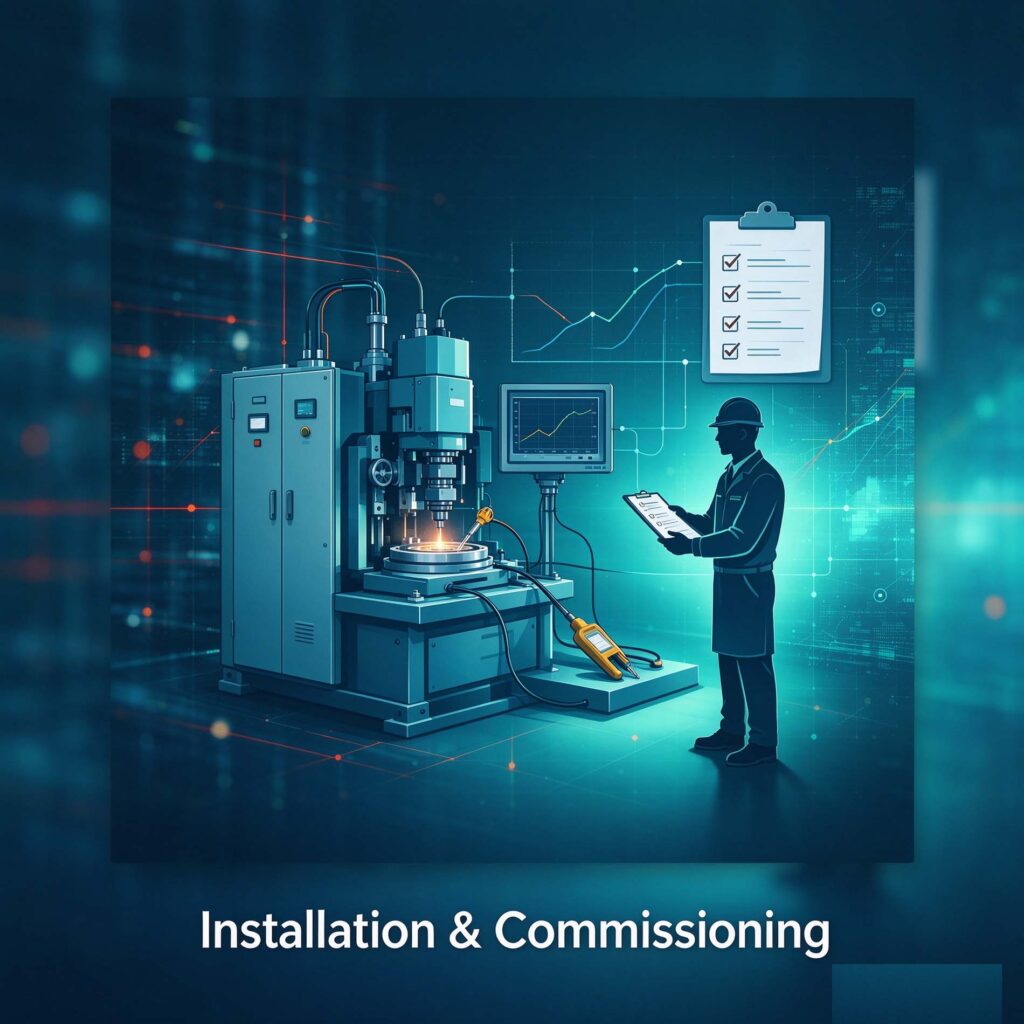
Installation and debugging services:
1. Service Overview
We provide one-stop cross-border installation, on-site debugging, equipment calibration, and start-up acceptance services for various types of export large-scale industrial equipment, complete sets of mechanical equipment, and engineering specialized equipment. We have been deeply involved in foreign trade equipment supporting services for many years, familiar with different national construction standards, overseas site conditions, and cross-border operation norms. We can adapt to the landing needs of projects in various regions around the world, solve core pain points such as inability to install, poor installation, difficult debugging, and startup failures of overseas customers' equipment after arrival, and ensure stable production and operation of exported equipment upon landing.
We abandon the single equipment delivery model and focus on "equipment delivery + landing empowerment" to provide standardized, professional, and localized installation and commissioning services for overseas procurement customers, significantly reducing their overseas project construction costs and operation risks, helping equipment to be quickly put into production, and creating commercial value.
2. Core service scope
Covering a full range of export large-scale complete sets of equipment, suitable for industrial production, engineering construction, energy manufacturing, agricultural and forestry processing and other fields of equipment, the core service content includes:
1) Preliminary site survey and layout planning: Before the equipment arrives, our professional engineers will remotely and on-site assist overseas clients in completing the factory site survey, foundation standard verification, water and electricity pipeline layout planning, equipment placement and positioning design, in order to avoid installation hazards such as site discrepancies, insufficient installation space, and mismatched supporting facilities in advance.
2) Cross border on-site whole machine installation: Dispatch certified senior engineering and technical personnel to overseas project sites to complete the complete installation process of large-scale equipment main assembly, rack fixation, pipeline docking, line laying, accessory assembly, etc., strictly following international equipment installation standards and original equipment technical specifications.
3) Refined whole machine debugging and calibration: After installation, comprehensive debugging and calibration of equipment operating parameters, operating accuracy, transmission system, control system, and safety protection system are carried out to optimize equipment operating conditions and ensure that equipment speed, production capacity, accuracy, and stability meet factory standards and customer production needs.
4) No load/load trial operation testing: Conduct equipment no-load trial operation and full load trial operation testing, monitor equipment operation noise, vibration, energy consumption, and stability throughout the process, identify hidden faults, and ensure that the equipment can operate continuously and stably for a long time.
5) On site operation and maintenance training: Provide one-on-one on-site training for overseas operators and maintenance personnel, explaining equipment operation procedures, parameter adjustment methods, daily maintenance standards, common fault identification and basic handling methods, and delivering a complete set of operation manuals and maintenance materials.
6) Project acceptance and delivery archiving: Assist clients in completing overall equipment acceptance, issuing standardized installation and commissioning acceptance reports, equipment operation testing reports, completing project data archiving, and officially completing equipment landing and delivery.
3. Standardized process for installation and commissioning of export equipment
To meet the timeliness and regulatory requirements of overseas projects, we have established a standardized cross-border service process that is fully controllable, traceable, and efficient
1) Pre sales docking plan customization: Based on the construction standards of the customer's country, project site conditions, equipment models, and production needs, customize a dedicated installation and commissioning plan, clarify the construction period, technical standards, service scope, and confirm overseas construction qualifications, visas, entry operation specifications, and other matters in advance.
2) Preparation before arrival: After the equipment is shipped by sea/air, remote guidance is provided to customers to complete site preparation, supporting water and electricity, lifting equipment, and auxiliary tool preparation, shortening the on-site construction period.
3) Overseas on-site construction: After the engineer arrives at the project site, they strictly follow the customized plan to carry out equipment assembly, fixing, docking, wiring and other installation operations, and strictly control the construction quality and safety throughout the process.
4) Multi level debugging, testing, and optimization: Complete initial debugging, fine debugging, and load debugging in stages, test equipment operating data item by item, optimize operating parameters, and solve various adaptation problems that arise during the debugging process.
5) Practical training and Q&A: Conduct systematic training for customer teams, teaching hands-on operation, maintenance, and simple troubleshooting, answering on-site questions in real time, and ensuring that personnel operate equipment independently.
6) Acceptance delivery and after-sales connection: Both parties jointly inspect the operating status of the equipment, sign the acceptance documents, and synchronize the follow-up after-sales service, maintenance cycle, and fault response mechanism to achieve seamless connection.
4. Our service advantages
1) Global cross-border service capability: With a mature overseas engineering service team, familiar with equipment installation standards, entry policies, and construction requirements in different regions such as Southeast Asia, Africa, the Middle East, Europe, and America, we can quickly respond to project installation and commissioning needs around the world.
2) Professional technical team guarantee: All dispatched engineers have years of experience in large-scale equipment installation and commissioning, hold certificates, are proficient in various export equipment structural principles and technical parameters, and can quickly handle complex on-site problems.
3) Efficient implementation and shortened production cycle: Pre preparation and standardized construction significantly shorten the overseas equipment landing, debugging, and production cycle, helping customers quickly invest in production and recover funds.
4) Strict quality control to ensure equipment performance: Following international industry standards and original factory technical requirements throughout the process, multiple debugging and testing are carried out to eliminate installation defects and ensure long-term high-precision and stable operation of the equipment.
5) Bilingual service, barrier free communication: supports on-site communication and data docking in both Chinese and English, avoids cross-border service communication barriers, and ensures efficient project progress.
5. Service Commitment
We always prioritize the implementation effect of customer projects, and provide standardized construction, transparent processes, and standardized delivery for all export equipment installation and commissioning services. After installation and debugging are completed, it will be synchronized into the overall after-sales service system, providing remote technical support, regular operation and maintenance guidance, and quick response to faults, fully ensuring worry free operation of overseas customer equipment.
X
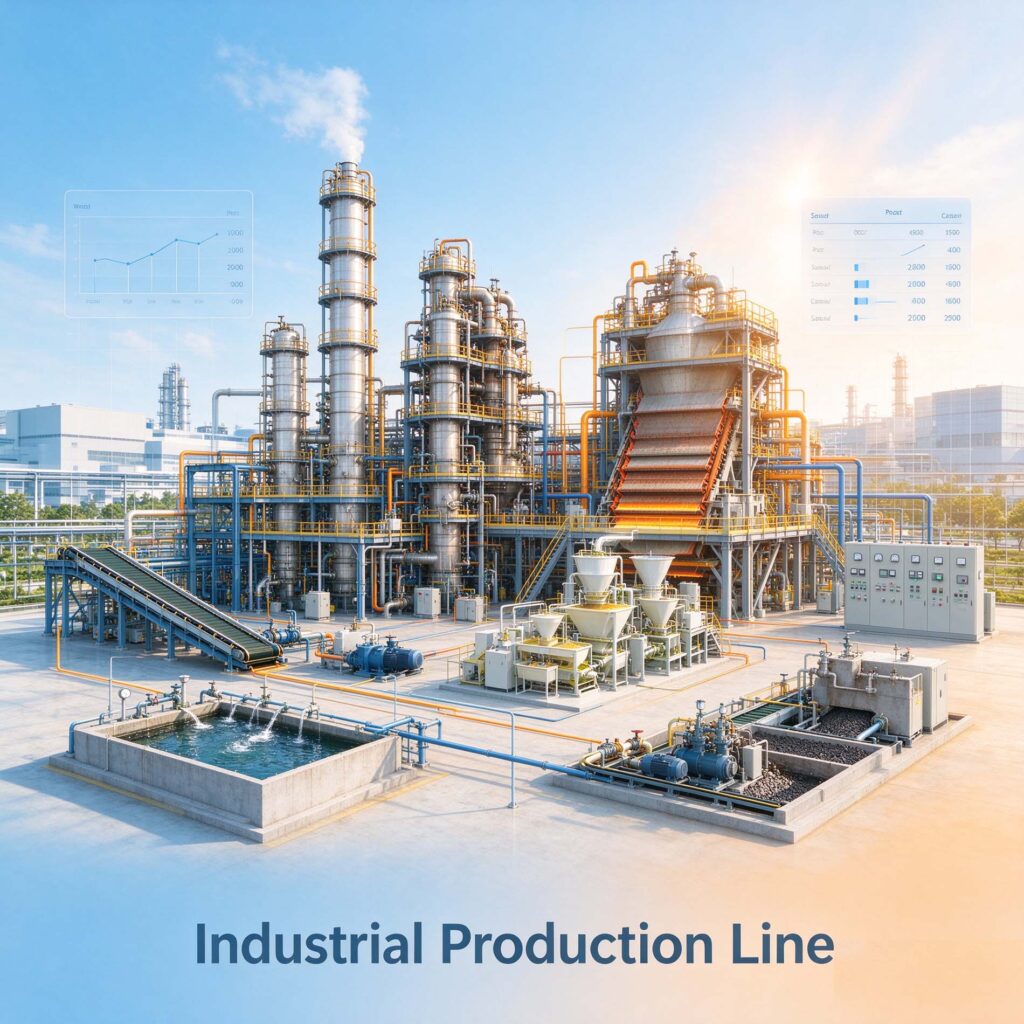
Business Cooperation Management Plan for EPC Projects:
1. Full process business collaboration stage of the project (divided into 6 major stages)
Stage 1: Pre project docking, admission, and due diligence stage (before EPC general contractor signs contract with overseas owner)
1) Chinese overseas owners submit an EPC general contracting application to this platform, with EPC project information including project country, project type, equipment list, total project amount, construction period, proposed settlement method (credit sales/standby letter of credit), owner information, and proposed payment period (1-10 years).
2) Requirement docking: Domestic EPC general contractor submits EPC project information: project country, project type, equipment list (platform 5651 product library can be selected), total project amount, construction period, proposed settlement method (credit sales/standby letter of credit), owner information, proposed payment period (1-10 years).
3) Multi party joint due diligence: Platform risk control collaborates with insurance companies, factoring companies, and cooperative banks to conduct country risk assessments and overseas owner credit due diligence; Verify the qualifications of overseas property owners, sovereign/corporate solvency, project compliance, local foreign investment, and foreign exchange control policies; Evaluate the underwriting limit and underwriting conditions.
4) Customized plan: Provide a project specific plan: equipment supply list, delivery schedule, insurance plan, bank standby certificate arrangement, core business terms of the two-layer contract, payment path, risk control mitigation measures.
5) Pre review conclusion: Provide project admission opinions. If insurance, factoring, banking, etc. do not pass the project risk review, the project cannot proceed.
Output of this stage: project feasibility assessment report, preliminary business plan, insurance pre policy.
Stage 2: Contract signing stage (two layers of contracts are signed separately)
1) Overseas property owners ↔ Domestic EPC general contractor: Sign EPC engineering general contracting contract
• Agreement: Project scope, duration, and completion acceptance standards; Settlement method: 100% credit sales or standby letter of credit, payment term of 1-10 years, installment payment milestones; Acceptance clauses, breach clauses, dispute jurisdiction; The agreement is for the EPC general contractor to purchase insurance.
2) Domestic EPC general contractor ↔ Xinghongshun platform: Signing equipment and material procurement contracts
(1) Core payment terms: The EPC general contractor shall make a 30% advance payment of the total contract equipment price to the platform within 15 natural days from the date of signing the EPC general contract; Arrange production/stocking on the platform; Before the platform ships, the EPC general contractor shall pay the remaining 70% of the equipment balance; After the full payment is received, the platform arranges for shipment.
(2) Agreement: Equipment standards, factory inspection, door-to-door logistics delivery, warranty period, equipment quality responsibility boundary (the platform is only responsible for the quality of the equipment itself, not for the construction, installation and commissioning, and overall acceptance of the project).
(3) Key risk control: Two contracts are set with associated trigger clauses: the prerequisite for the EPC procurement contract to take effect is that the EPC general contract takes effect, and the bank confirms the standby letter of credit arrangement (if the standby letter of credit mode is selected); If the insurance/bank credit has not been implemented, the EPC procurement contract may stipulate that it will automatically become invalid and the platform will refund the received advance payment (excluding reasonable incurred costs).
Stage 3: Advance payment, stocking and production control stage (within 15 days after signing the EPC contract)
1) The EPC general contractor shall pay 30% of the equipment advance payment as agreed to the designated corporate account of the platform. After receiving payment, the platform issues a receipt voucher.
2) The platform starts stocking/scheduling, synchronously retaining raw materials, production materials, and quality inspection data; Regularly synchronize monthly production progress reports with the EPC general contractor.
3) Insurance landing: The EPC general contractor completes the insurance application, and the policy beneficiary is set according to the agreement; Or the bank may implement arrangements for the issuance of standby letters of credit (in the standby letter of credit mode, overseas banks issue standby letters of credit as long-term performance payment guarantees for the owner).
4) Data archiving: All contracts, policies, bank documents, and owner information shall be uniformly archived.
Stage 4: Final payment, factory inspection, and shipment stage
1) After the equipment is completed, the platform organizes a factory quality inspection and submits an inspection report to the EPC general contractor.
2) The EPC general contractor has completed the equipment acceptance confirmation and paid the remaining 70% of the equipment balance to the platform. After receiving full payment for the equipment, the platform will initiate the shipping process.
3) The platform arranges door-to-door cross-border logistics, customs clearance, sea/land transportation, tracks the transportation trajectory of goods, and submits a complete set of export documents such as bills of lading, packing lists, and certificates of origin to the EPC general contractor.
Key point: The triggering condition for the platform's shipping obligation is that 70% of the final payment is received in full, and there will be no early shipment due to engineering progress or payment disputes between the EPC general contractor and overseas owners.
Stage 5: Overseas project implementation, acceptance, and long-term accounts receivable management stage (after shipment, with a long payment term of 1-10 years)
1) At this stage, the platform will no longer collect any payments, and the equipment payment platform has fully received them; The focus is on EPC general contracting, banking, and credit insurance management of long-term accounts receivable from overseas owners.
2) The EPC general contractor is responsible for overseas on-site construction, equipment installation, commissioning, and project completion acceptance; Timely retain the engineering acceptance documents as the basis for claiming payment from overseas owners.
3) Collection management: Overseas owners shall pay the project funds to the EPC general contractor in installments according to the provisions of the EPC general contract (credit sales or standby letter of credit payment); Factoring institutions assist in tracking the payment milestones for each period and providing reminders upon maturity.
4) Risk warning: In the event of overseas owner overdue or country risk events, the EPC general contractor shall notify the insurance company, factoring institution, bank, platform, etc. as soon as possible, and initiate the insurance reporting and recovery process. The platform only cooperates to provide equipment supply proof materials and does not bear the risk of overdue payment by the owner.
Stage 6: Project Closing, Warranty Period Management, and Closing Stage
1) Equipment warranty period: Fulfill equipment warranty obligations according to the equipment procurement contract; Distinguish between equipment quality responsibility and engineering construction responsibility, with engineering related responsibilities borne by the EPC general contractor.
2) Long term full payment settlement: Overseas owners complete all installment payments, EPC general contractor accounts receivable are settled, and insurance policies are closed.
3) Project archiving: All documents, acceptance materials, and payment receipts are uniformly archived, and the project is closed loop.
2. Fund closed-loop management rules (core)
1) Capital flow: Overseas owners → (1-10 year installment) Domestic EPC general contractor → Platform (only equipment purchase payment: 30% advance payment+70% final payment before shipment)
2) Financial isolation: The platform receives equipment payments from the EPC general contractor, which are used exclusively for project equipment procurement, production, and logistics; The platform does not collect engineering payments from overseas owners, and the funds from overseas owners are directly paid to the EPC general contractor account.
3) Prohibition of confusion: the platform does not advance funds to bear the construction costs of EPC projects; The platform does not issue any loans to overseas property owners; Long payment terms of 1-10 years refer to the accounts payable of overseas owners to the EPC general contractor, not financing provided by the platform to the owners.
3. Risk control system design
1) Access risk control: Country limit, credit review of overseas Chinese owners, insurance underwriting or standby letter of credit are mandatory thresholds for project landing; High risk countries are not accepted.
2) Contract risk control: Two layers of contracts are independent, with clear division of engineering responsibilities and equipment supply responsibilities; Clearly define payment milestones, triggering conditions, and breach of contract responsibilities; Set termination/stop loss clauses for insurance expiration and deterioration of owner credit.
3) Rigid risk control of payment nodes:
(1) 30% advance payment: to be paid within 15 days after the signing of the EPC contract. If the advance payment is not received, stocking will not be initiated;
(2) 70% final payment: Full payment must be received before shipment can be made; The platform does not provide credit for equipment sales to domestic EPC general contractors.
4) Document risk control: Complete retention of trade documents, inspection reports, logistics documents, insurance policies, and bank documents; All written documents are original or electronically signed versions with legal effect.
5) Risk isolation: Platform risks are limited to equipment supply and performance risks; The default of overseas owners, political risks of different countries, foreign exchange risks, and construction risks shall be borne by the EPC general contractor, insurance, factoring, and banks in accordance with the agreement.
4. Communication and collaboration mechanism among all parties
1) Project Special Team: After the project is approved, a special team will be established, including the platform project leader, risk control, and supply chain; EPC general contracting project manager; Bank Customer Manager; Insurance factoring underwriting specialist.
2) Meeting mechanism: Monthly meetings during the project construction period; During the long-term payment stage, quarterly payment tracking meetings will be held to synchronize risk information.
3) Information submission: In the event of a major risk event (owner overdue, country instability), all parties shall issue a synchronized warning within 24 hours.
4) File docking: Establish a project shared document library to centrally manage contracts, documents, and progress reports.
5. Project exit and breach resolution mechanism
Scenario 1: EPC general contractor overdue payment of 30% advance payment (unpaid within 15 days after signing the contract)
The EPC procurement contract is automatically suspended; The platform has the right to terminate the procurement contract and the project.
Scenario 2: Equipment completion, EPC general contractor unable to pay 70% of the final payment on time
The platform can suspend shipments and negotiate for an extension; If the overdue period reaches the agreed time limit, the platform has the right to terminate the procurement contract, and the received advance payment will be refunded after deducting the production costs incurred according to the contract; Project termination.
Scenario 3: Overseas owners overdue payment of EPC project funds within the 1-10 year payment period
Report and claim compensation to insurance companies and factoring institutions by the EPC general contractor as the insured; Factoring and bank cooperation for accounts receivable recovery; The platform only provides supporting materials for equipment supply and does not assume any responsibility for payment compensation.
Scenario 4: Dispute over Equipment Quality
Handle according to the warranty terms of the equipment procurement contract; The quality issues of the equipment itself are the responsibility of the platform; Any issues arising from installation, construction, engineering design, and on-site management shall be borne by the EPC general contractor.
X
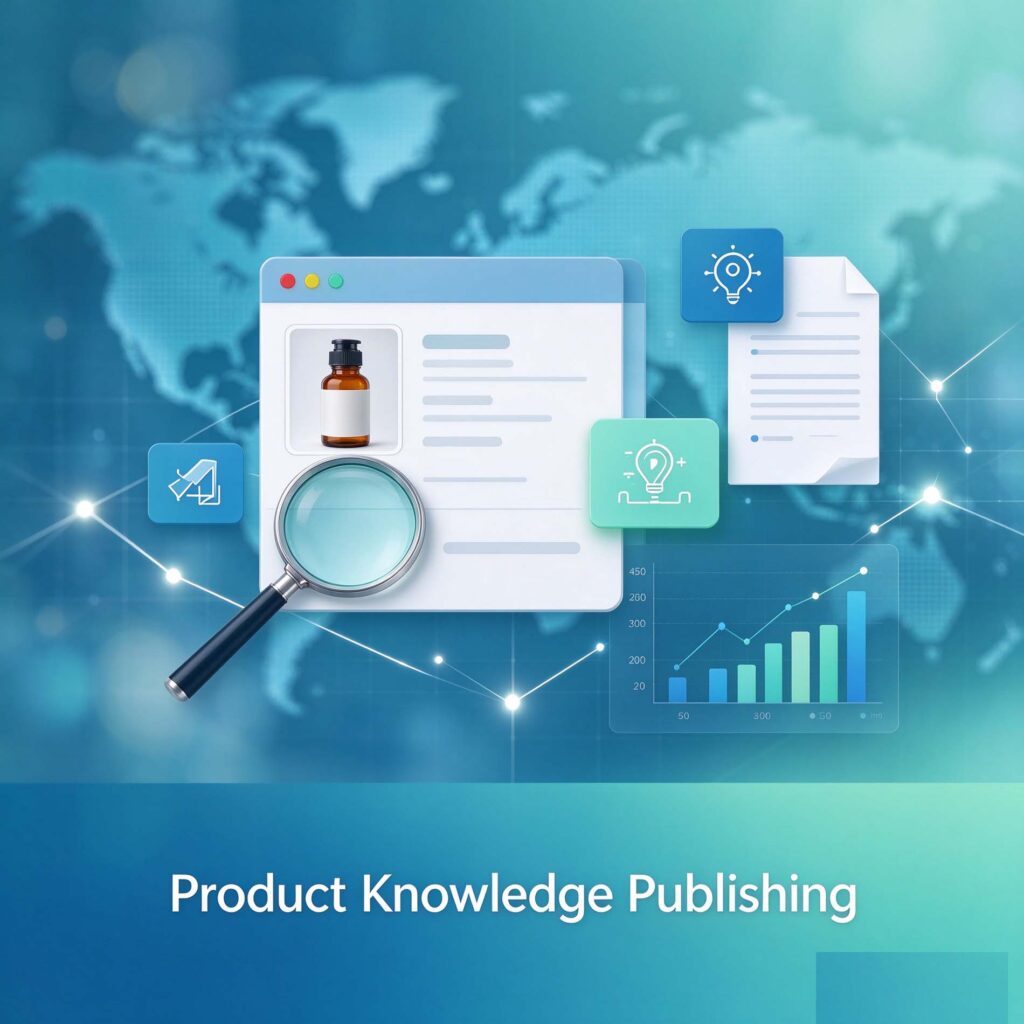
Product Science Popularization Information Release:
1. What problems has the International Trade Finance Network solved for buyers?
2. What are the benefits of solar photovoltaic power plants (mainly household photovoltaics) for ordinary households in Africa?
What problems has the International Trade Finance Network solved for buyers?
International trade financing platforms can solve the following problems for buyers:
Background: International trade financing platforms specialize in providing global buyers with a 100% credit or forward payment international trade model. Therefore, from the perspective of global buyers, the pain points and corresponding solutions are summarized below:
1) High pressure on capital occupation
(1) Pain point: Traditional international trade requires prepayment of deposit, sight letter of credit, and full payment of spot goods. Buyers need to put a large amount of working capital under pressure in advance, and inventory stocking, sea transportation, etc. will seriously squeeze the cash flow of buyers.
(2) Platform solution: Provide credit sales/forward payment terms, no advance payments, no upfront expenses; After receiving the goods, settlement shall be made according to the agreed account period. The purchaser can use the goods first and receive payment later, keeping the funds for their own business turnover.
2) The cost and threshold for issuing a letter of credit are high
(1) Pain points: When international buyers open letters of credit, banks require insufficient margin and credit limits, resulting in high opening fees; Small and medium-sized buyers find it difficult to obtain large bank credit.
(2) Platform solution: relying on insurance and factoring to provide risk protection, reducing the threshold for buyers to issue letters of credit/payment guarantees. Buyers do not need to do anything to obtain goods, and then make forward payments.
3) Lack of trust in suppliers makes it difficult to negotiate payment terms
(1) Pain point: Chinese factories are generally concerned about bad debts from international buyers and only accept immediate payment via T/T, unwilling to grant credit sales to buyers; It is difficult for the purchaser to convince the seller through individual negotiations based on their own creditworthiness.
(2) Platform solution: The platform, insurance, factoring, and banks work together to bear the foreign exchange risk of Chinese factories, endorse for buyers, and make it easier for buyers to obtain credit sales or forward payment terms.
4) Difficulty in granting unified credit to multiple categories and suppliers
(1) Pain point: Buyers purchase from multiple factories (photovoltaic, equipment, furniture, mother and baby products, etc.), and each supplier negotiates payment terms separately. The credit limit is scattered and the procedures are repeated, making it difficult to obtain a unified large credit.
(2) Platform solution: One stop unified financing limit, one credit limit can be used for multiple suppliers to place orders within the platform, without the need for separate approval of credit for each order.
5) Difficulties in matching exchange rates and payment cycles
(1) Pain point: The downstream payment cycle of the purchaser is long, and the payment due date is mismatched with their own sales payment collection time; The cross-border payment process is cumbersome, and the settlement management of multiple orders is complex.
(2) Platform solution: The payment term can match the downstream sales collection rhythm of the purchaser; Unified cross-border settlement management, simplifying the cross-border payment process for multiple orders.
6) Lack of financing channels for small and medium-sized buyers
(1) Pain points: International small and medium-sized buyers have weak support for cross-border trade financing from local banks, with small credit lines and high interest rates; It is difficult to obtain specialized import trade loans.
(2) Platform solution: Provide specialized trade financing solutions for import procurement to address the shortcomings of insufficient local bank credit for buyers.
What benefits do solar photovoltaic power plants (mainly household photovoltaics) bring to ordinary households in Africa?
In many regions of Africa, the power grid coverage is low, power outages are frequent, and the cost of diesel power generation is extremely high. Household photovoltaics are the most mainstream solution and can also be paired with small energy storage batteries
1) Basic electricity: Say goodbye to no electricity/frequent power outages
(1) Obtaining stable electricity: Many remote villages do not have access to the national power grid, and household photovoltaics can directly supply power; The power grid area can also avoid frequent power outages.
(2) Basic lighting: replace kerosene lamps and candles. Coal oil lamps have high smoke levels, are prone to causing fires, and have poor lighting; Photovoltaic LED lights are safer and have higher brightness.
(3) Mobile phone charging: The popularity of mobile phones in Africa is high, but charging is a major challenge that requires long-distance travel to the town for paid charging; Home photovoltaics can be charged anytime at home, making communication and information reception convenient.
2) Improve household income and create opportunities for small and micro income growth
(1) Support small businesses: can drive small shop lighting, mobile phone maintenance, TV sales, frozen small drinks, small rice/oil grinding equipment, and small businesses at home.
(2) Extended operating hours: Business can still operate after dark, extending the duration of setting up stalls and small shops to increase revenue.
(3) Save high fuel costs: no longer purchase kerosene and diesel for lighting and small generators. Diesel prices are high in Africa, and long-term use of photovoltaics has significantly reduced household energy expenditures.
3) Education and Family Development
(1) Children reading at night: Reading under kerosene lamps can harm the eyes, but photovoltaic lighting allows students to do homework at night and improve their learning conditions.
(2) Obtaining information: After power supply, radios and small televisions can be used to obtain agricultural technology, market prices, and public health information.
4) Health benefits
(1) Reduce indoor air pollution: Burning kerosene produces a large amount of smoke and dust, causing respiratory and eye diseases; Photovoltaics belong to clean energy and do not cause indoor combustion pollution.
(2) Enhance food preservation ability: Paired with a small DC refrigerator, it can store vaccines, medicines, and small amounts of fruits and vegetables, reducing food spoilage; Rural households can also store fresh produce.
5) Convenience and safety in daily life
(1) Night travel safety: Lighting inside the hospital and at the doorstep reduces the risk of theft and injury from wild animals at night.
(2) Water supply supporting facilities: photovoltaic water pump, extracting groundwater, solving the problem of household drinking water, no need to carry water for long distances, saving a lot of labor (in many areas, carrying water is mainly undertaken by women and children).
6) Long term economy
(1) After a one-time investment, there is almost no fuel cost; The lifespan of photovoltaic panels can reach 20-25 years.
(2) To avoid the pressure of household expenses caused by the continuous increase in diesel and kerosene prices.
7) Limitations
Household photovoltaic power is limited and cannot drive high-power household appliances (such as large air conditioners, high-power welding machines, etc.); Regular maintenance is required and the battery has a lifespan; The initial procurement funding threshold remains a challenge for impoverished families.
X
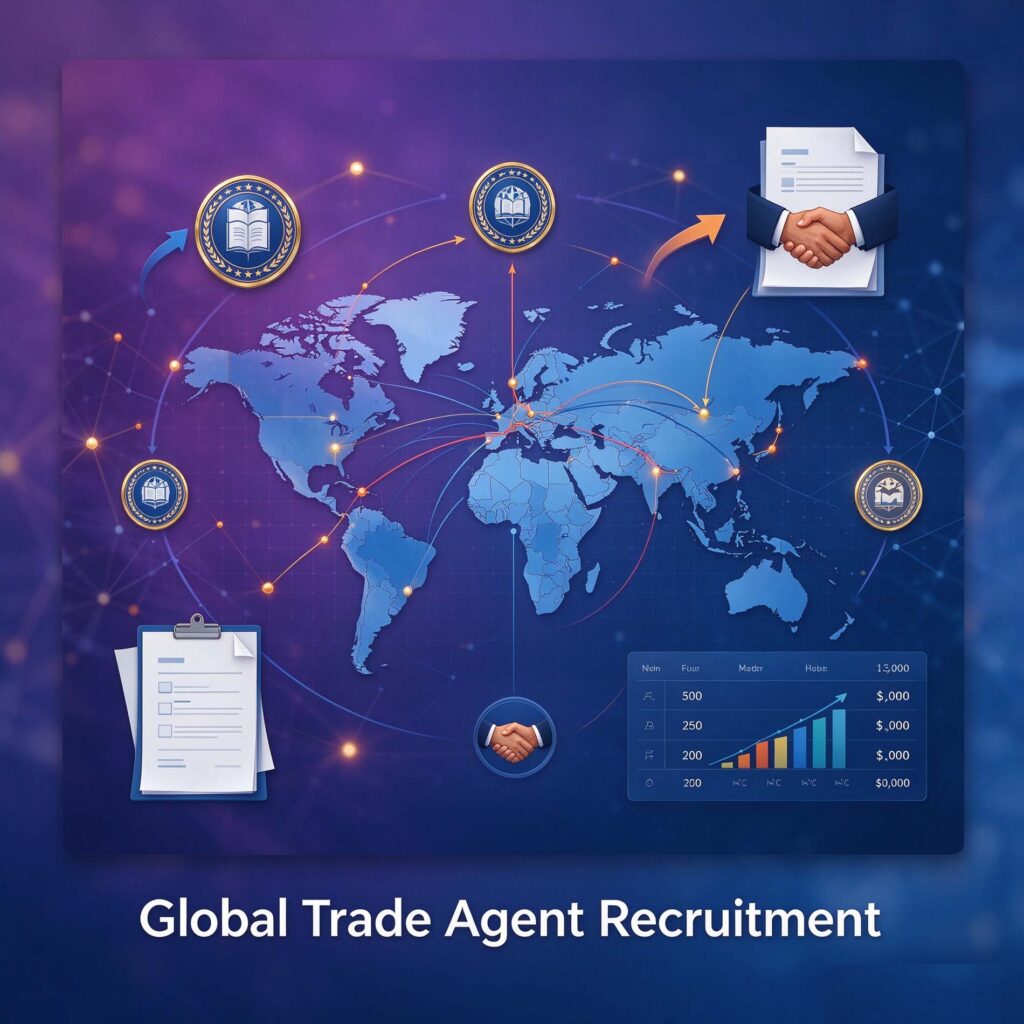
Global Trade Agent Recruitment Announcement (Official Version):
In order to expand the global overseas market, build a stable, compliant, and efficient international trade cooperation system, and expand the platform's global business layout, the platform is now publicly recruiting authorized international trade agents from all over the world. We sincerely invite high-quality trade partners from all countries to work together for win-win results and long-term deep cultivation of the local market. The specific cooperation rules, agency rights, and cooperation conditions are announced as follows:
1. Core rules of cooperation
1) Transaction settlement and commission payment conditions
If the trade agent successfully facilitates a cooperation agreement between the purchaser and the platform, resulting in the signing of a formal international trade contract or project contract, and the platform ships the goods to the purchaser, then within 40 days from the date of receipt by the purchaser, if the purchaser does not return the goods to the platform, the platform will immediately pay a 1% cooperation agent fee (commission) to the trade agent (if the purchaser returns the goods, the platform will not pay the 1% cooperation agent fee (commission) to the trade agent). The commission settlement is timely, compliant, transparent, and free of hidden deductions.
2) Formal proxy admission mechanism
All intended cooperating institutions are on a trial cooperation agency basis, with no prior cooperation fees or franchise fees. Intentional agents need to successfully land their first valid cooperation order (completing the buyer's payment to the account and the transaction process compliance loop). After completing the first successful cooperation, they can officially become the platform's officially certified lifelong trade agent and enjoy long-term exclusive cooperation benefits.
2. Formally authorize exclusive agency rights
1) Official authorization for international trade financing
After the agent completes the first order and becomes a regular employee, the platform will issue a separate "International Trade Financing Authorization Letter", granting the agent legal and compliant international market promotion, customer docking, project negotiation, and trade financing support docking permissions, helping the agent enhance credibility in the local market, expand high-end customers, and undertake large-scale engineering projects.
2) Long term stable commission guarantee
All subsequent orders placed through formal agency can continue to enjoy the agreed commission settlement ratio. The platform establishes a dedicated agency settlement ledger, which is used for specific purposes and settled on schedule to ensure the legitimate income of the agency.
3) Market cooperation support
The platform provides a complete set of support for official agents in various regions, including product qualification documents, project cases, technical parameters, bidding materials, bilingual promotional materials, etc. It fully cooperates with agents to carry out local customer docking, business negotiations, and project landing work, fully empowering agents to explore the local market.
3. Explanation of Cooperation Rights and Responsibilities
1) The core responsibilities of a trade agent include customer exploration in the international market, business coordination, order facilitation, and local market maintenance, without the need to assume platform main responsibilities such as production, shipping, after-sales, and quality assurance;
2) All transaction funds are directly paid by the purchaser to the official corporate account of the platform. The flow of funds is compliant and traceable, and private transfers are strictly prohibited to ensure the safety of both parties' funds;
3) The platform strictly adheres to international trade rules, abides by cooperation agreements, and all commission settlements and authorization qualifications are based on formal written documents. Cooperation is open, transparent, and long-term stable.
4. Collaborative Vision
The platform adheres to the cooperation concept of equality, mutual benefit, integrity and win-win, and empowers partners around the world with a low threshold, high guarantee and stable income cooperation model. We look forward to establishing long-term, deep, and stable strategic cooperation relationships with high-quality trade agents from various countries, jointly cultivating the global engineering equipment trade market, and achieving mutual empowerment and win-win results.
This recruitment rule is the official unified standard of the platform, globally applicable, and the final interpretation right belongs to the platform.
X
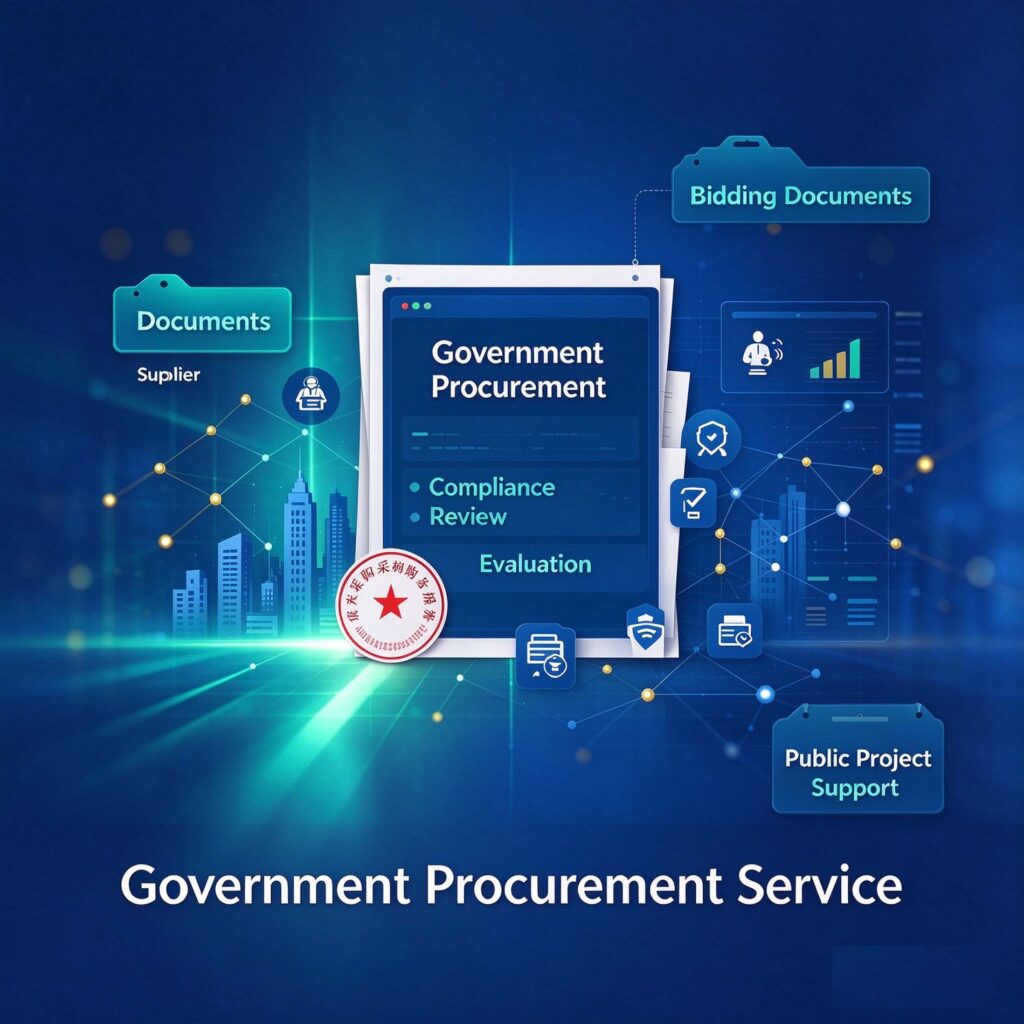
Government procurement services:
Sichuan Xinghongshun Import and Export Trading Co., Ltd. in China can provide supply of various types of materials such as engineering equipment, photovoltaic energy storage, metal materials, industrial control instruments, building materials, daily necessities, buses, etc. It has established a sound quality control, performance delivery, and after-sales guarantee system, adheres to the principles of fair, open, and just government procurement, completes project supply with quality and on schedule, and meets the needs of government operation and public facility construction materials.
The platform can participate in government procurement business of various countries in accordance with the law. To participate in procurement activities such as open bidding, invitation bidding, competitive negotiation, single source, and inquiry in accordance with relevant regulations of the purchasing country's government, targeting government agencies, institutions, and organizations around the world.
The platform provides various material supply services for government agencies around the world. After passing the credit evaluation and review, the platform can provide overseas government purchasers with trade financing solutions such as credit sales or forward payment. The purchaser can repay the payment to the platform after the trade is executed and the funds are in place. Relying on a mature cross-border trade risk control system, we provide stable supply and flexible fund settlement support for public procurement projects in countries around the world.
1. Business core positioning
This government procurement service is a pure international trade procurement project for goods, without civil engineering, EPC general contracting, on-site construction, or system integration supporting engineering services. As an exporter, the platform only provides compliant export goods delivery and standardized simple after-sales services to government purchasers of importing countries, fulfilling all trade and service obligations. It relies on two pure trade payment models established by the international trade financing platform, namely full credit sales (O/A) or forward letter of credit (Usance LC), and integrates service payments into trade payments for unified settlement, without incurring any engineering, general contracting, or value-added technical support service fees.
Core difference: It only fulfills the basic after-sales guarantee obligations stipulated by laws and contracts for export trade of goods, and does not provide value-added engineering services such as project design, scheme debugging, engineering installation, joint debugging and operation, EPC operation and maintenance, on-site construction guidance, etc. It fully adapts to the pure trade long-term financing payment rules.
2. General service principles for adapting to two payment modes
1) All services are ancillary basic after-sales services for goods, attached to the goods trade itself, without independent project approval or separate external charges. All service costs are included in the total price of goods trade and settled uniformly with full credit sales and forward letter of credit.
2) The service performance and acceptance documents are auxiliary documents for trade settlement, which can be used as supporting documents under the long-term letter of credit. Under the full credit sales, they serve as the basis for government acceptance and confirmation of ownership, and calculation of payment terms. There are no complex processes such as engineering acceptance and EPC performance assessment.
3) The entire service process has no overseas engineering operations, no long-term overseas personnel stationed, and no local compliance construction requirements, avoiding risks such as engineering qualifications, permanent establishment taxation, and local labor, fully meeting the risk control requirements of pure trade financing.
3. Details of all procurement services provided to the importing country's government (pure trade simplified after-sales service)
1) Pre trade compliance services (free matching, included in trade performance)
(1) Government Procurement Compliance Information Service: The platform provides a complete set of export qualification documents, enterprise credit certificates, product compliance certifications, and statements of no dishonesty required for government procurement in importing countries, and cooperates with purchasers to complete government procurement qualification pre-approval, filing and archiving
(2) Standardization of documentation services: In accordance with the financial, auditing, customs, and government procurement requirements of the importing country, standardized commercial invoices, packing lists, bills of lading, certificates of origin, factory qualification certificates, and quality inspection reports are issued to clearly distinguish the value of goods from the attributes of ancillary after-sales services, meeting the government's auditing and accounting requirements.
(3) Technical data delivery service: Provide a complete set of English/local language versions of product manuals, operation manuals, maintenance manuals, parts lists, and quality assurance manuals simultaneously with exported goods, with both paper and electronic versions delivered to ensure compliance and archiving of government procurement assets.
1) Customized export packaging services: We provide professional export packaging that is moisture-proof, shock resistant, rust proof, and resistant to transportation, in accordance with international trade and shipping standards, cargo characteristics, and government procurement and warehousing requirements, to ensure that goods are transported over long distances without damage or loss.
2) Full process logistics performance service: responsible for booking, sea/air transportation, cross-border transportation, cargo tracking, cargo insurance coverage, ensuring timely and intact delivery of goods to the designated destination port/delivery location, and synchronously synchronizing logistics progress with the purchaser in real time.
3) Arrival assistance verification service: After the goods arrive at the port, cooperate with the importing country's government procurement personnel, customs, and third-party supervisors to complete the arrival inventory, appearance verification, and quantity verification, provide a complete set of customs clearance auxiliary documents, assist in completing the arrival acceptance, only conduct surface verification of the goods, and do not involve equipment debugging or engineering testing.
4) Core simple after-sales service (pure after-sales, no engineering, no EPC)
This section is the only after-sales performance content of the project, with remote online performance throughout the entire process. No personnel will be dispatched to overseas sites or any engineering operations will be carried out.
(1) Remote technical consultation service: During the warranty period, we provide 24/7 online technical Q&A, operation guidance, maintenance consultation, and preliminary troubleshooting services for the government operation and maintenance personnel of the importing country. The standard response time is within 24 hours to provide feedback on the solution.
(2) Product warranty and after-sales support: Strictly follow the warranty period stipulated in the government procurement contract and provide genuine warranty services. During the warranty period, for product quality issues that are not caused by human factors, we will provide free technical solutions and free replacement parts. We only offer parts shipping services and are not responsible for on-site replacement, installation, or debugging.
(3) After sales training service (lightweight online): providing standardized online operation, maintenance, and basic fault avoidance training, sending official training courseware and operation videos, wireless practical training, no on-site teaching, and no engineering skills training.
(4) Long term spare parts guarantee service: Provide lifelong spare parts consulting services to the importing country's government, publicize regular spare parts quotations and delivery cycles, and provide market-oriented spare parts supply as needed after the warranty period expires, ensuring the long-term normal use of government procurement assets.
(5) After sales ledger archiving service: Record all after-sales inquiries, problem handling, and spare parts delivery records throughout the process, form a standardized after-sales ledger, and deliver it to the importing country's government for archiving, meeting the requirements of government procurement performance assessment and audit retention.
5. Clearly excluded services (no engineering, no EPC, core exemption boundary)
1) Not providing any engineering services: no civil engineering, no installation, no construction, no on-site investigation, no project rectification operations;
2) Not providing EPC supporting services: no scheme design, no system integration debugging, no trial operation debugging, no project general contracting operation and maintenance, no engineering acceptance;
3) Not providing on-site overseas services: no engineers stationed abroad, no on-site maintenance, no on-site guidance, no localized operation and maintenance team;
4) No value-added paid services: All after-sales services are basic services attached to the goods, without additional technical service fees, engineering fees, or operation and maintenance fees.
6. Service settlement and acceptance rules under two trade financing payment models
1) Full credit sales (O/A) model
(1) After completing the delivery of goods, fulfilling all basic after-sales services, and submitting archived materials, the importing country's government shall issue a trade acceptance and certification document;
(2) The full credit sales period shall be officially calculated from the date of completion of trade and ancillary after-sales performance acceptance by the government;
(3) After sales performance is a subsidiary obligation of goods trade, which does not incur additional costs, does not affect the settlement of credit principal and interest, has no engineering performance risks, and fully adapts to the pure trade sovereign credit financing rules.
2) Forward Letter of Credit (Usance LC) Model
(1) Service performance shall not be separately documented or settled. The basic after-sales service performance certificate (including data delivery receipt, after-sales guarantee commitment, and arrival acceptance form) shall serve as auxiliary presentation materials for the letter of credit and be submitted to the issuing bank together with the core trade documents;
(2) The amount of the letter of credit is the full payment of the goods plus the total price of the attached basic after-sales service package. The forward payment period starts from the completion of the goods' arrival acceptance and after-sales data delivery according to the contract agreement;
(3) There is no deduction for engineering performance or EPC assessment, and only the delivery of goods in good condition and the implementation of basic after-sales commitments are used as the basis for performance confirmation. The bank will make full payment upon maturity.
7. Performance advantages of government procurement services (suitable for pure trade long term financing)
1) Minimalist performance and controllable risks: no overseas engineering operations, no on-site personnel, no complex acceptance processes, significantly reducing government procurement audit risks, cross-border compliance risks, and tax risks;
2) Fully adapted financing model: The service is dependent on pure trade scenarios, does not change trade attributes, meets the requirements of international trade financing platforms for full credit sales and forward letter of credit pure trade risk control, and can handle financing, insurance companies, factoring and other underwriting normally;
3) Compliant with government procurement requirements: standardized services, complete ledger, clear acceptance, meeting the requirements of importing country's government procurement compliance filing, performance verification, and financial audit;
4) Clear rights and responsibilities: Strictly distinguish between pure after-sales and engineering/EPC services, with clear boundaries of rights and responsibilities, and no hidden risks of performance disputes.
X
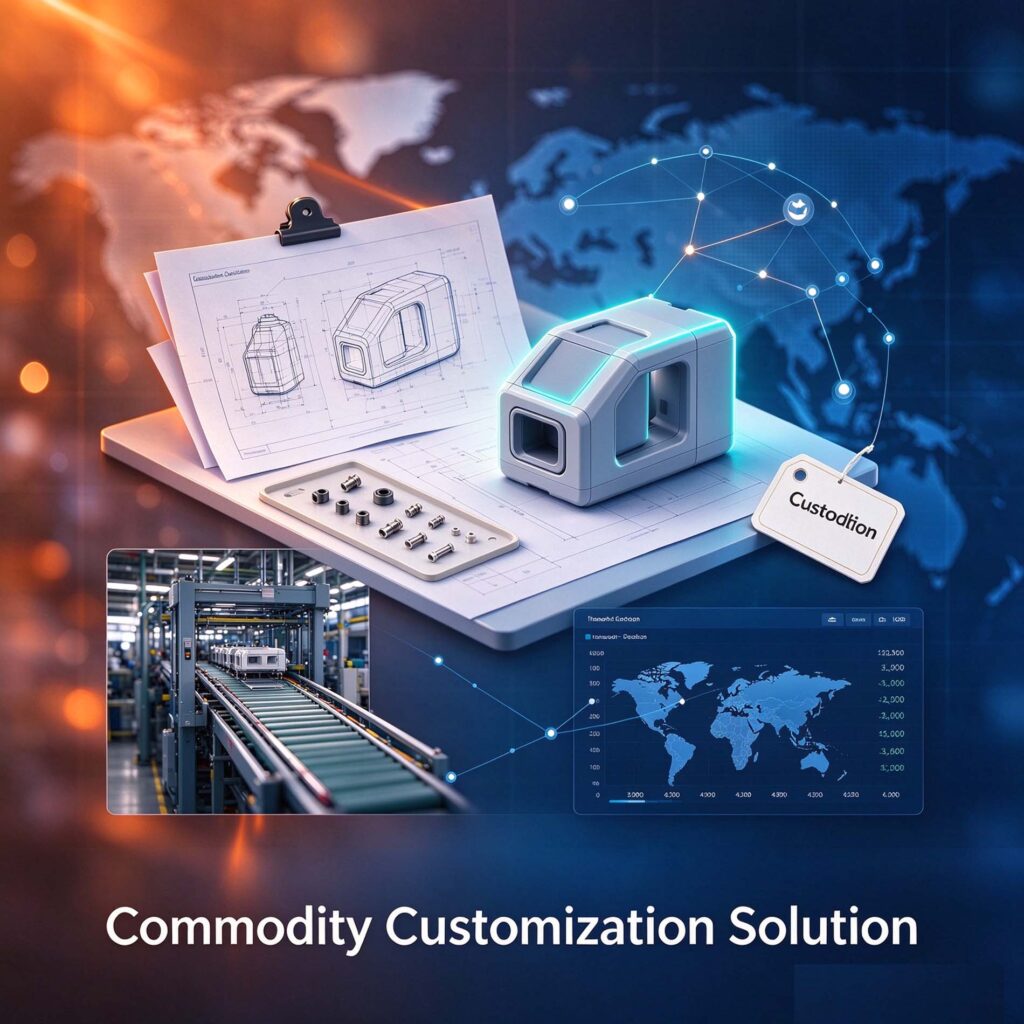
Product Customization Standard Scheme:
In order to strictly comply with the international trade financing audit standards, risk control rules, and trade compliance requirements, standardize the entire process of enterprise product customization, avoid risks such as claims rejection and contract invalidity caused by non-compliance with customization, and ensure the smooth implementation of international trade business, this product customization execution standard is formulated. This specification applies to all customized goods included in the scope of international trade financing, covering full dimensional work such as product category customization, parameter customization, production customization, packaging customization, document matching customization, etc.
1. Basic principles of core customization
All product customization work must strictly follow the core principles of international trade financing, and all customized content must not violate international trade financing terms, import country risk control policies, and trade authenticity verification requirements. The specific principles are as follows:
1) The principle of trade authenticity: All customized goods must be based on genuine and valid trade contracts and order requirements, and non order customization, over order customization, and false customization are prohibited. Customized product categories, quantities, specifications, and uses must be completely consistent with the buyer's purchasing needs and trade background, and fictional customization scenarios must be avoided to obtain international trade financing guarantees.
2) Compliance principle: Customization of goods must comply with Chinese import and export laws and regulations, customs supervision requirements, and risk control policies of the importing country. Customization of sensitive, prohibited, infringing, or non compliant goods is strictly prohibited, and illegal customization of import country prohibited and restricted categories for international trade financing risks is not allowed.
3) The principle of document consistency: All parameters, attributes, specifications, and labels of the customized goods must correspond one-to-one with the insurance filing documents such as customs declaration, invoice, packing list, purchase and sales contract, quality inspection report, etc., achieving "consistency between goods, documents, and insurance".
4) Traceability and Verification Principle: Customization process, customization parameters, production records, and change records should be traceable throughout the entire process. All customization information can be verified through our company's verification, on-site inspection, and document verification, without any non traceable operations such as implicit customization, private changes, or verbal customization.
2. Core dimensions and standardization requirements for product customization
1) Customization of Product Categories and Uses
(1) Customized product categories must strictly match the product codes and category names registered for export in China, and must not arbitrarily change the product categories or usage attributes. If you need to customize non-standard categories or special purpose goods, you must submit a category filing application to our company in advance, and after our company's review and approval, you can proceed with the customization.
(2) It is prohibited to customize products that are explicitly excluded from export to China, including but not limited to high-risk flammable and explosive materials, unregistered dangerous goods, infringing and counterfeit products, endangered species products, sanctioned and controlled goods, and three non-standard products.
(3) The customization of product use must clearly define its attributes such as commercial, civilian, and industrial use, and must not blur its use to avoid risk control. The customized use must be completely consistent with the buyer's procurement use, customs declaration use, and filing use.
2) Customization of Product Parameters and Specifications
(1) Basic parameter customization: The core customization content such as product size, material, process, performance parameters, model specifications, technical standards, etc. must be strictly implemented in accordance with the trade contract agreement, and all parameters must comply with industry general standards and import country access standards. (2) Parameter change control: If any core parameters need to be adjusted during the customization process, the contract, order, and technical agreement must be updated synchronously as soon as possible, and a change explanation must be reported to our company, with written change vouchers retained. We reserve the right to withhold financing and claim compensation for unreported unauthorized parameter changes.
(3) Non standard customization requirements: For customers' exclusive non-standard customized products, detailed technical parameter tables, customized drawings, and quality inspection standards must be provided in advance and submitted to our company for review and filing. After confirming that there is no risk, production customization can be started. It is strictly prohibited to report after delivery.
3) Product identification and traceability customization
(1) Brand identity customization: customizing the brand of a product LOGO、 The printing of identification must be legal and compliant, with brand authorization documents. It is prohibited to use OEM, counterfeit, or unauthorized customization. All brand qualifications must be included in the underwriting filing materials.
(2) Traceability Identification Customization: According to our company's traceability verification requirements, customized products must retain a unique traceability identification, including batch number, production number, order number, production date, etc., to ensure that each batch of customized products can correspond to policies, orders, and production records.
(3) Customized country identification: The origin identification, marking, and packaging identification of customized export goods must comply with the requirements of customs and the importing country, and there must be no false origin or mislabeled country to avoid triggering our company's trade compliance risk warning.
4) Packaging and Logistics Customization
(1) Customized packaging must meet the requirements of product transportation protection, customs inspection, and packaging standards of the importing country. The customized packaging style, material, and specifications must be consistent with the recorded information on the packing list, and the packaging form must not be changed arbitrarily, resulting in a discrepancy with the packing list.
(2) It is prohibited to customize packaging with illegal slogans, sensitive labels, or infringing patterns. All packaging designs must be reviewed in advance to avoid compliance risks.
(3) Customized logistics support must match the insured transportation terms. The transportation method, packing method, and storage standards of customized goods must comply with our company's risk control requirements for goods, to eliminate the risk of cargo damage and exemption caused by improper packaging and storage.
3. Customized process compliance control
1) Customized pre risk control audit
After receiving customized customer requirements, the first step is to conduct a two-way risk control verification: firstly, to verify the buyer's qualifications, country risk, and transaction credit risk, and confirm that they are within the platform's trade financing risk control scope; The second is to verify the compliance of customized products and confirm that there are no prohibited risks in terms of category, process, and use. After approval, the customized plan will be locked and no arbitrary adjustments are allowed.
2) Customized data filing and submission
Organize and archive complete customization materials, and synchronize them to complete platform filing. Essential materials include: customer customization request form, formal trade contract, customized technical drawings/parameter table, brand authorization documents, quality inspection standards, and production schedule. All information must be truthful, complete, and traceable, serving as the core basis for trade financing review.
3) Customized production leaving traces throughout the entire process
During the production customization stage, the entire process is recorded, including production procedures, parameter implementation, quality inspection records, batch information, and traceability materials such as production photos, inspection reports, and feeding records are retained. It is strictly prohibited to change customized parameters, reduce process standards, or replace customized materials without authorization.
4) Customized verification and reconciliation completed
After the customization of the product is completed, check the physical object, customization plan, filing documents, and policy information one by one to ensure that the specifications, quantities, labeling, and parameters are completely consistent. After verification, a finished product inspection report will be issued as a valid proof for our company's trade financing, shipping, and claims.
5) Change closed-loop reporting
If there are customized changes due to customer needs or production compliance requirements, the "report first, change later, and file later" process must be followed, and a "customized change explanation" must be submitted, indicating the reason for the change, the content of the change, and the impact on trade and goods. After confirmation by the platform, the change will be executed, and all change information will be included in the policy file for retention.
4. Prohibited customization clauses
To avoid underwriting risks, the following customized behaviors are strictly prohibited, and once discovered, will directly lead to the invalidation of trade financing:
1) Empty order customization, false customization, and fake order customization without real trade orders;
2) Unauthorized changes to customized parameters, specifications, and categories without reporting to the platform;
3) Customize sensitive, sanctioned, banned, infringing, and unqualified products that violate regulations;
4) Violation of customized orders that do not match the bill of lading, parameters, or identification;
5) To avoid country risk control and credit risk control, false use customization and pseudo category customization are carried out;
6) Unqualified OEM, counterfeit brand, and non-standard customization.
5. Customization requirements for after-sales and claims support
After the delivery of customized products, if there are claims such as quality objections, damage, rejection, or overdue payments, it is necessary to ensure that all customized records are complete and traceable. Customized plans, production records, verification materials, change vouchers, and other materials will serve as the core basis for platform claims assessment. Missing materials or non compliant customization will directly affect the claims results. Enterprises need to establish a special file for customized products, with a retention period not less than the validity period of the contract and the after-sales prosecution period.
6. Summary
The core of commodity customization under the framework of international trade financing is authenticity and compliance, unified documentation, full traceability, and advance reporting. All customization work requires prior coordination with trade financing risk control requirements, standardized execution of customization processes, strict control of customization red lines, ensuring that each batch of customized goods fully complies with the rules of international trade financing, verification, and claims, avoiding credit risks, compliance risks, and claims risks from the source, and safeguarding the legal and effective rights and interests of trade business and insurance.
X
International Trade Financing Solutions:
Chapter 1 General Provisions of International Trade Financing Scheme
1) Purpose of International Trade Financing Scheme
In order to adapt to the diversified settlement needs of cross-border export trade on the platform, optimize the cash flow turnover of buyers, reduce the pressure of cross-border transaction funds, stabilize the cooperative relationship with buyers, and standardize the financing operation standards of the two core settlement models of full credit sales and forward letter of credit, and control trade financing risks, this special trade financing plan is specially formulated.
2) Scope of application of international trade financing
This plan is applicable to all cross-border goods export trade businesses on the platform, covering two major scenarios: full credit settlement financing and forward letter of credit settlement financing in cooperation with compliant procurement customers. All financing operations are based on real, legal, and effective cross-border trade backgrounds.
3) Definition of Core Settlement Financing Models for International Trade Financing
This plan includes two standardized trade financing models, which have no overlapping conflicts and are selected based on customer qualifications, cooperation areas, and mutual agreement: one is the cross-border full credit financing model; The second is the full financing model of forward letter of credit. All financing business strictly follows China's national foreign exchange management policies and bank trade financing regulatory rules.
4) Basic principles
(1) The principle of genuine trade: All trade financing supporting arrangements must rely on the real cross-border trade background of goods, and have complete order, logistics, cargo rights, customs declaration, and document information. Fictitious trade backgrounds and false orders are strictly prohibited from obtaining financing support.
(2) Country risk control principle: Implement differentiated credit management according to the country risk level, comprehensively evaluate the political stability, foreign exchange control, sovereign risk, and exchange performance risk of the target country/region, and match the corresponding credit limit, payment period, and risk control measures.
(3) Customer credit principles: The admission of purchasers, credit limits, and payment terms are based on due diligence results and credit evaluation conclusions as the core basis; Only open credit sales and forward letter of credit financing services to qualified overseas buyers.
(4) Contract priority principle: This plan is an internal management standard and does not replace the formal trade contract or credit agreement signed by both parties. All business terms, rights and obligations, and performance responsibilities shall be subject to the effective written contract between both parties.
Chapter 2 Customer Access Standards
1) Country classification standards: Based on the risk ratings of insurance companies, factoring institutions, banks, etc., the country/region to which the purchaser belongs is classified as low-risk country, medium risk country, and high-risk country, and differentiated access, credit ratio, and credit limit management are implemented;
2) Low risk countries: European and American developed countries, Japan and South Korea, Australia, Singapore, Taiwan, China, China, etc; The foreign exchange environment is stable, with low risks of sovereign and commercial default. Can open up longer credit terms and higher credit sales credit ratios.
3) Medium risk countries: most Southeast Asian countries, Russia, Central Asia, etc; There are certain risks of foreign exchange and policy fluctuations, and credit limits and payment terms are moderately tightened.
4) High risk countries: some countries in Africa, the Middle East, and South America; Political, foreign exchange, and foreign exchange risks are high, and access is strict. Prudent cooperation is only allowed under the premise of full coverage of insurance and factoring. Some countries have suspended credit sales business.
Explanation: The country classification is a dynamic list, which will be updated regularly in real time based on the risk assessment results of insurance companies, factoring institutions, banks, etc.
5) Qualification requirements for purchasers
Buyers applying for platform credit sales or long-term letter of credit financing must meet the following basic admission conditions simultaneously:
(1) Overseas commercial entities registered and validly existing in accordance with the law, possessing legal business licenses/commercial registration documents;
(2) Having a history of continuous operation, stable upstream and downstream trade records, able to provide financial statements, bank statements, and past trade performance certificates for the past 1-3 years;
(3) No significant record of dishonesty, no major litigation, arbitration, bankruptcy or poor performance history;
(4) Agree to cooperate with the platform's risk control team to conduct due diligence and credit verification, and provide supplementary information as needed;
(5) Agree to have this platform, cooperative insurance, and factoring institutions conduct credit risk assessments on it;
(6) Have the willingness and ability to fulfill payment obligations under the corresponding order items.
6) Customer Forbidden List
Purchasers who fall under any of the following circumstances will not be allowed to enter and will not provide any credit sales or forward letter of credit financing services:
(1) The registered or actual business location is located in a country/region that is on the United Nations, China's relevant sanctions list, or under embargo;
(2) The subject has a history of significant dishonesty, fraud, and overdue payments, and has been blacklisted by insurance companies, factoring companies, and banks;
(3) The enterprise is in the process of suspension, liquidation, or bankruptcy, and its assets are insufficient to cover its debts;
(4) Unable to provide legal and valid subject certification documents, refusing to cooperate in conducting due diligence and credit verification;
(5) There are records of fictitious trade, forged documents, and other misconduct;
(6) The purchased goods belong to China's export control and embargo categories;
(7) Other situations where the platform, cooperative banks, insurance institutions, factoring institutions, etc. determine that it is not suitable to carry out trade financing supporting business.
Chapter 3 Detailed Operating Rules for Two Financing Models
1. Cross border full credit sales supporting financing model
1) Pattern definition
Qualified overseas credit purchasers from China, after passing the platform's risk control review and credit approval, can arrange for the export and delivery of goods by the platform without paying the advance payment; After receiving the goods, the purchaser shall pay us the full amount of the payment on time according to the credit contract agreement (30-360 days). The platform relies on bank funds, factoring, and insurance to complete financing and risk protection arrangements.
2) Business Process
(1) International buyers submit cooperation applications, including company information, procurement requirements, estimated order amounts, and expected payment terms;
(2) Platform risk control initiates due diligence and credit assessment, simultaneously entrusting insurance and factoring institutions to conduct country and buyer risk assessments;
(3) After the multi institutional evaluation is completed, the platform issues a credit opinion, clarifying the credit limit, payment period, fee rate, and additional risk control conditions;
(4) Both parties sign trade contracts and credit agreements related to credit sales;
(5) Order scheduling, production planning, stocking, export customs clearance, logistics shipping;
(6) After the delivery of goods, accounts receivable are formed and transferred to factoring institutions; Banks provide financial support;
(7) Upon the expiration of the payment term, the purchaser shall make full payment of the goods as stipulated in the contract;
(8) After the payment is settled, the corresponding credit limit will be released; If the buyer breaches the contract, the insurance and factoring institutions shall dispose of it in accordance with relevant agreements.
3) Core constraint rules
(1) The credit limit for credit sales is a revolving/one-time limit, which is approved according to the order and cannot be exceeded when placing an order;
(2) The payment term is 30-360 days, and the upper limit of the payment term is determined based on the country risk and the buyer's creditworthiness; The accounting period of high-risk countries is correspondingly shortened;
(3) All credit sales orders must be insured with export insurance and accompanied by factoring arrangements. Orders that have not completed risk protection configuration will not be released;
(4) Late payment by the purchaser will trigger a breach of contract clause, affecting subsequent credit eligibility.
2. Long term letter of credit supporting financing model
1) Pattern definition
Open an irrevocable letter of credit with the purchaser's bank, with the platform as the beneficiary, and arrange for export after verifying the terms of the letter of credit; After submitting the documents, the issuing bank promises to make payment upon maturity at a later date. Relying on the bank credit under the forward letter of credit, supporting bank financing, insurance, and factoring services, we provide settlement financing support for orders.
Reminder: The core credit subject of the forward letter of credit is the issuing bank. The platform focuses on reviewing the qualifications of the issuing bank, the terms of the letter of credit, and whether there are any soft terms.
2) Business Process
(1) The purchaser submits a cooperation application for settlement of forward letter of credit and provides information on the issuing bank;
(2) The platform and its partner banks and insurance institutions conduct risk assessments on the qualifications and country of origin of the issuing bank;
(3) The purchaser arranges for the issuing bank to open an irrevocable deferred letter of credit in favor of our company;
(4) We will review the letter of credit, verify its terms, and investigate any soft terms. If we cannot reach a consensus on the terms, we will request a modification of the letter of credit;
(5) After the approval of the letter of credit, arrange for stocking, export, customs clearance, and shipment;
(6) Submit the complete set of documents under the letter of credit to the designated bank after export and process the submission of documents;
(7) The issuing bank accepts the deferred bill of exchange and pays the payment upon maturity;
(8) Relying on accepted forward letters of credit, it can provide supporting bank financing and factoring services.
3) Core constraint rules
(1) We only accept forward letters of credit issued by reputable banks recognized by the platform; Blacklisted banks and small banks in high-risk areas will not accept the issuance of letters of credit;
(2) The terms of the letter of credit must be true and effective, and must not contain any soft terms that cannot be fulfilled or reduce the rights and interests of the beneficiary;
(3) The forward maturity date is agreed upon based on business needs, and the forward term is included in the overall risk management;
(4) Under the letter of credit, the presentation of documents must be consistent with each other, and the risk of refusal due to discrepancies in documents shall be divided by the relevant responsible parties according to the contract;
(5) Under the forward letter of credit model, export insurance and factoring can be matched, and whether mandatory insurance is required depends on the rating of the issuing bank and the country risk.
4) General Business Agreement
(1) The two modes are independent of each other, and the same order cannot have both credit sales and forward letter of credit financing arrangements stacked simultaneously;
(2) All rates (insurance premiums, factoring fees, bank fund occupancy fees, etc.) are calculated based on actual costs and included in the order quotation;
(3) Any supporting financing arrangement does not change the basic responsibility of the purchaser as the ultimate payment obligor;
(4) If there is a breach of contract by the buyer/issuing bank, it shall be handled in accordance with the Uniform Customs and Practice for Trade Contracts, Insurance Policies, Factoring Agreements, and Letters of Credit (UCP600).
Chapter 4 Risk Control Management
1. Due diligence
The risk control department of the platform takes the lead in conducting due diligence investigations on purchasers, which can be jointly implemented with cooperative insurance companies and factoring institutions. Due diligence is divided into four modules: subject due diligence, financial due diligence, transaction background due diligence, and country risk due diligence;
1) Subject due diligence: Verify the registration documents, existence status, equity structure, and legal representative information of the purchaser, and verify the records of enterprise litigation, dishonesty, and administrative penalties;
2) Financial and performance due diligence: Collect recent financial statements, bank statements, and historical trade records of the purchaser to evaluate their revenue scale, cash flow, and historical payment performance;
3) Due diligence on transaction background: Verify the real purchasing needs and downstream sales channels of the purchaser, confirm the purpose of the ordered goods, and investigate fictitious trade and financing risks;
4) Country risk due diligence: Referring to the country risk ratings of insurance companies, factoring institutions, banks, etc., evaluate the target country/region's foreign exchange controls, policy changes, sovereign risks, and exchange restrictions.
After the due diligence is completed, a "Customer Credit Due Diligence Assessment Report" will be issued as the basic material for credit approval. Customers with incomplete information and questionable due diligence will be temporarily suspended from entering the credit approval process.
2. Credit approval
1) The credit system adopts a graded approval mechanism, with different approval authorities set based on the proposed credit limit, country risk level, and credit term length;
2) The risk control department formulates a credit plan based on due diligence reports, country risks, insurance and factoring admission opinions, including credit limit, maximum payment term, applicable settlement mode, and additional risk control conditions;
3) After approval, issue a formal credit approval; Those who have not been approved can reapply or terminate the cooperation based on feedback and supplementary materials;
4) The credit limit is the maximum amount that customers can use under the platform, which is a dynamic limit that can be adjusted up, down, or suspended according to the customer's performance and changes in country risk;
5) The credit approval is only a preliminary opinion for cooperation, and the final transaction landing is still subject to the signing of the trade contract and credit agreement by both parties.
3. Performance tracking (after-sales tracking)
Activate continuous performance tracking management after the order takes effect:
1) Preparation and shipment stage: Track production progress, customs clearance, logistics information, and retain a complete set of export documents such as bills of lading, packing lists, invoices, etc;
2) From the delivery of goods to the expiration of payment: Regularly communicate with the purchaser, track the customs clearance and downstream sales of goods, and monitor changes in the buyer's business operations;
3) Ledger management: Establish customer credit and accounts receivable ledger, record order amount, shipping time, due date of accounting period, and payment status;
4) Insurance and factoring institutions synchronously share key performance information and collaborate to carry out accounts receivable management.
4. Risk warning
Establish a multi-dimensional risk warning trigger mechanism, and immediately initiate risk review in the event of any of the following situations. Measures such as suspending new orders, freezing remaining credit limits, and early collection can be taken:
1) The purchaser experiences business deterioration, major litigation, bankruptcy restructuring, or significant changes in equity;
2) The purchaser shows signs of overdue payment, communication loss, and refusal to confirm accounts receivable;
3) The country/region where the purchaser is located has implemented foreign exchange controls, import and export bans, and sanctions policies, and the country risk level has been raised;
4) Insurance or factoring institutions downgrade buyer/country ratings and issue risk warnings;
5) Major abnormal events such as abnormal documents, loss of control of cargo rights, and seizure of goods.
After the risk warning is triggered, the risk control department issues a risk disposal plan and simultaneously informs cooperative insurance, factoring, banks and other institutions.
5. Adverse disposal
1) When accounts receivable are overdue, the graded collection process will be initiated, and the platform will work with factoring and insurance institutions to issue debt reminders to the purchaser;
2) If the buyer breaches the commercial contract or defaults on payment, the claims/creditor's rights transfer process shall be initiated in accordance with the insurance policy and factoring agreement;
3) For cases involving legal recovery, entrust overseas lawyers to conduct commercial arbitration or litigation to preserve assets;
4) Bad customers will be blacklisted by the platform, and credit and new order cooperation will be permanently suspended;
5) Evidence shall be retained throughout the entire process of non-performing disposal, and related losses and recovery payments shall be distributed according to the agreement between insurance, factoring, and the platform.
Chapter 5 Rate and Quotation Management
This chapter maintains consistency with the previous price composition document as an internal pricing management rule, and external quotations are subject to separate accounting for orders.
1) Basic pricing principles
The platform's credit sales and forward letter of credit supporting financing orders adopt a cost accumulation based accounting model, and all expenses are transparently listed. The quotation takes into account the value of the goods, payment terms, country risk, buyer's creditworthiness, and logistics method. All rates are subject to the real-time quotation issued by the cooperating institution.
Formula for calculating the comprehensive supply price of the platform:
Platform comprehensive supply price=factory ex factory price+insurance fee+factoring service fee+bank fund occupation fee+export customs clearance fee+export tariff+sea/air freight+sea/air insurance fee+import country agency fee (if any)+platform service fee
2) Explanation of itemized expenses
(1) Factory ex factory price: relying on the platform to centrally purchase resources and connect with the source factory, striving for a supply price with market competitiveness. The specific price is determined through negotiation based on the category, purchase quantity, and order cycle.
(2) Insurance premium: determined by the insurance company and calculated based on actual expenses; The insurance premium rate is mainly determined based on the risk of the purchaser's country of origin, the buyer's creditworthiness, and the length of the payment term.
(3) Factoring service fee: The platform transfers the accounts receivable of the order to the factoring institution to obtain financial support; The factoring rate is determined by the factoring institution based on the country risk, buyer credit, accounts receivable amount, and payment period, and is calculated according to the actual situation.
(4) Bank fund occupancy fee: The cost of funds incurred by the bank in providing order fund support, calculated based on actual costs.
(5) Export customs clearance fee: The customs clearance agent charges a service fee, which is calculated based on the actual situation.
(6) Export tariffs: determined according to the corresponding commodity tariff rules of Chinese customs and calculated based on actual circumstances.
(7) Sea/air freight: determined by the current quotation of the carrier or freight forwarder and calculated based on actual costs.
(8) Sea/air insurance premium: determined by the current quotation of the insurance company and calculated based on the actual situation.
(9) Import country agency fee (if any): calculated at 1% of the basic cost of the order.
(10) Platform service fee: calculated at 10% of the basic cost of the order.
3) Quotation Management Rules
(1) All itemized costs are estimated for reference only, and the final price shall be based on the official documents issued by the insurance company, factor, bank, and logistics provider at the time of order landing;
(2) Country risk is only one dimension of rate assessment, and different purchasers in the same country may have different rates due to credit differences;
(3) This pricing system is only applicable to credit sales and forward letter of credit financing models; If the settlement method changes, the price needs to be recalculated;
(4) The quotation document is only a commercial offer and does not constitute a contractual commitment; The final transaction price and all commercial terms shall be subject to the formal contract text signed by both parties.
Chapter 6 Contract and Document Management
1. Contract management
1) All export businesses that engage in credit sales and forward letter of credit financing must sign a written trade contract;
2) Unified legal review of contract text, clarifying the name, specifications, quantity, price, delivery milestones, payment obligations, breach of contract responsibilities, and dispute resolution methods of the goods;
3) The contract must specify that the purchaser is the ultimate payment obligor, and the trade financing supporting arrangements do not exempt the purchaser from the responsibility of payment for the goods;
4) Archive and manage the contract after signing; Contract changes and supplementary agreements must be confirmed in writing by both parties, and verbal agreements are invalid;
5) It is strictly prohibited to promise clauses in the contract that exceed the scope of responsibility of the platform and cooperating institutions, such as guaranteed payment and fixed claims.
2. Document management
1) Basic trade documents
Complete collection of documents for each export transaction: purchaser's main information, order contract, formal invoice, commercial invoice, packing list, customs declaration, bill of lading/waybill, certificate of origin, etc.
2) Financing related documents
Credit sales business: accounts receivable confirmation letter, insurance policy, factoring agreement, credit approval document; Forward letter of credit business: original letter of credit, amendment notice, presentation letter, bank acceptance telegram, etc.
3) Document storage requirements
(1) Ensure the authenticity, completeness, consistency, and conformity of the documents; It is strictly prohibited to forge or alter documents;
(2) Original documents and electronic scanned copies are archived in dual line format, with access permissions set for viewing; The retention period of documents shall not be less than 5 years after the termination of the business;
(3) Make proper handover records when submitting documents to insurance, factoring, and banks;
(4) Strictly review the documents before submitting them for forward letter of credit business, check for soft terms, and avoid the risk of non compliant documents and refusal of payment.
Chapter 7 Supplementary Provisions
1) Effectiveness of the plan
This International Trade Financing Plan is an internal business management standard of the platform and does not constitute an offer, commitment or guarantee to any customer. All business rights and obligations shall be subject to the trade contract, credit agreement, insurance, factoring, and banking related agreement documents officially signed by both parties.
2) Revision of the plan
The platform has the right to revise the content of this plan in accordance with China's foreign exchange policies, customs regulations, rules of cooperative institutions, and changes in the market environment. The revised plan shall take effect from the date of publication, and the new version of the plan shall apply to new orders; Effective orders will still be executed according to the original contract.
3) Interpretation power
The interpretation right of this international trade financing plan belongs to Sichuan Xinghongshun Import and Export Trading Co., Ltd. in China.
4) Effective Date
This plan will be officially implemented from September 25th, 2026.
X
X
Credit Investigation Authorization
Authorizer (Buyer):
Company Name:
Registered Address:
Enterprise Registration No.:
Legal Representative/Authorized Signatory:
Email:
Tel:
Authorized Party (Platform):
Company Name:
Address:
Whereas the Authorizer applies to the Authorized Party for international trade credit sales facility (payment term: 30–360 days), to facilitate the Authorized Party’s enterprise credit assessment, credit risk verification and export credit insurance application, the Authorizer hereby irrevocably grants the following authorization:
1)The Authorizer irrevocably authorizes the Authorized Party, together with its appointed third-party credit agency and insurance company, to investigate, obtain and verify the Authorizer’s business status, financial status, performance records, credit information, litigation records and other credit-related documents.
2)The Authorizer agrees that information obtained from this credit investigation may be used by the Authorized Party for credit limit approval, trade risk control and export credit insurance application, and shall not be used for purposes outside this authorization.
3)The Authorizer warrants that all enterprise qualification, financial and business documents submitted to the Authorized Party are true, legal, complete and valid. The Authorizer shall bear all legal and commercial liabilities if any false information is provided.
4)Term of Authorization: Commences on the date of signature and expires upon full performance of this credit facility and corresponding trade contract.
5)This authorization is made in two counterparts, one held by each party, and shall take effect upon signature and company seal.
Authorizer (Company Seal):
Authorized Signatory (Signature):
Date:
Notice for Buyers Applying for Credit Sales Purchase:
If a purchaser applies for credit sales of purchased goods on this platform, they must first submit a complete set of documents to the platform that can prove their business strength and credit status. The platform will determine the credit limit that can be granted based on the purchaser's business qualifications, performance ability, and credit evaluation results.
Restriction clause: This platform temporarily does not accept credit sales applications from purchasers who have been registered and established for less than 1 year, and does not accept credit sales applications from shell companies.
The purchaser needs to prove their own strength, therefore, the purchaser must provide the following information to the platform to apply for credit sales shopping:
1. List of materials required for the purchaser's credit investigation:
1) Certificate of incorporation
2) Business Registration Certificate/Tax ID/VAT Certificate
3) Memorandum & Articles of Association
4) Authorized signatory certificate + copy of passport/ID card
5) Company equity structure information (shareholder register)
2. Business and operational strength documents:
1) Company Profile (if any): Establishment year, main products, target market, annual procurement scale, branch offices, cooperative brands
2) Purchase list/copies of past orders in the past 1-2 years (if any): historical contracts, bills of lading, commercial invoices (prices can be hidden) with upstream suppliers (other Chinese manufacturers) to prove the authenticity of procurement records
3) Customer List (optional) (if any): Its downstream end customers (such as large projects, retailers), supporting distribution/terminal capabilities
4) Qualification certificate (if any):
(1) Import and export rights qualifications, customs filing
(2) Industry qualifications
(3) Photos of warehouses, factories, and stores (optional, verify not a pure leather bag middleman)
5) Official website and LinkedIn corporate homepage information (if available)
3. Financial information (depending on the size of the purchaser: large enterprises require audit reports; small and medium-sized importers may simplify)
1) Audited financial statements for the past 1-2 fiscal years (if any): balance sheet, income statement, cash flow statement
2) Unaudited internal financial report (for small and medium-sized enterprises) (if available)
3) Asset proof (if any): Proof of ownership of real estate, warehouse, and equipment (strongly recommended for large EPC and heavy industry orders)
4) Existing bank credit limit documents (if any)
4. Bank credit certificate/third-party credit document (most convincing)
1) Bank Reference Letter (if any):
Issued by the purchaser's bank, specifying the duration of account opening, account fund transactions, and whether there are any adverse records. It is the most commonly used credit material for trade credit sales on this platform.
2) Third party credit report (if any):
(1) Overseas: Dun & Bradstreet D&B Commercial Credit Report: includes enterprise risk rating, payment records, judicial records, and years of operation, which can be authorized by the purchaser or directly purchased by us and reported by local commercial credit agencies
(2) Can be provided by the purchaser;
3) Past payment receipts (historical payment vouchers to other suppliers, anonymized version) (if available)
4) Recommendation letter from local chambers of commerce/industry associations (if any):
issued by overseas chambers of commerce, import and export associations, and industry alliances, proving the existence and reputation of the enterprise in the local industry; Engineering professionals can request a membership certificate from the Engineering Association.
5) International rating agencies' ratings (if any):
credit ratings from major entities such as S&P, Moody's, and Fitch (applicable only to large groups and listed companies).
6) Local court/business registration bureau no litigation, no bankruptcy record inquiry (if any):
The purchaser can provide an official inquiry receipt to prove that there is no execution, bankruptcy liquidation, or large debt dispute.
7) Customs import and export data verification (if any):
after the purchaser authorizes, he/she can access his/her import and export customs declaration data for the past 2-3 years, see the actual import and export volume and transaction frequency, and identify the "paper company".
8) Performance related supporting evidence (for this order) (if any)
(1) Recent copy of letter of credit (such as LC settlement commonly used by customers)
The purchaser shall provide 2-3 suppliers (preferably Chinese exporters) whom they have cooperated with in the past 1-2 years, and allow us to directly send emails/phone follow ups to verify the order amount, payment terms, payment timeliness, and whether there are any delays or disputes.
This is a very core means of trade due diligence, which is closer to real trade payment habits than simple bank credit.
2) Evidence of completed project (priority given to EPC/Heavy Industries/Equipment customers) (if any):
By providing the contact information of the owner of the delivered project, we can verify with the project owner whether the purchaser has truly undertaken the project, the payment situation, and the quality of the project performance.
3) Historical credit payment records (if any):
Verify with the notifying/negotiating bank whether past letters of credit have been paid on time, and whether there are any records of refusal or delayed payment.
7. Funds and credit enhancement arrangements (directly reducing our risk, equivalent to endorsing with financial strength)
Suitable for large orders and long-term credit sales, it may not only be used to "prove strength", but also as a means of transaction risk control
1) Bank credit advance notice/bank guarantee (if any):
(1) The purchaser's bank issues payment guarantee and performance guarantee;
(2) Or the bank may provide a written confirmation that the purchaser has an available credit line with the bank, which can cover the amount of this order.
2) Third party guarantee (if any):
The parent company and affiliated companies issue a Corporate Guarantee letter, in which the parent company promises to pay on behalf of the purchaser if they default on payment. Suitable for purchasing subsidiaries under the group.
3) Advance payment/deposit (if any):
The purchaser voluntarily pays a certain percentage of advance payment and performance bond. Willingness to prepay itself is a signal of strength, and customers with weak funds generally find it difficult to come up with.
4) Fund custody Escrow (if any):
Both parties shall open a third-party custody account, and the payment shall be pre deposited into the custody account. The payment shall be released upon meeting the delivery conditions.
8. On site and remote verification (verifying the true existence of the operating entity)
1) Site Visit
We or entrust local due diligence agencies to visit the office, warehouse, exhibition hall, and production line (if the purchaser has their own processing/warehousing); On site interviews with the person in charge, verification of employee size, and inventory. EPC projects can conduct on-site inspections of ongoing project sites.
2) Remote video due diligence
Real time video connection: On site display of office space, warehouse, inventory, and project construction sites, random inspection of on-site nameplates, newspapers/time of the day, to prevent fraudulent use of old videos; Synchronize verification of office network IP and address location.
3) Online public verification of business registration information
The purchaser provides a registration number, and we will log in to the official website of the country's business registration to verify the registration status, changes in directors, annual reports, and whether it has been cancelled online.
9. Transaction Structure and Corporate Background Evidence
1) Listed companies publicly disclose information
If the purchaser or its parent company goes public: annual reports, announcements, publicly available information on the exchange, stock prices, financial reports, major project announcements, all of which are publicly available for inspection, do not require customers to provide separate documents.
2) Insurance endorsement
The trade credit insurance and engineering insurance policies purchased by the purchaser themselves;
3) Endorsement of downstream orders
The purchaser opens up their contract with the end owner (desensitization), and even allows us to communicate directly with the owner to confirm the authenticity of the order and the owner's payment plan. EPC projects are very suitable, and the strength of the purchaser essentially depends on the owner's ability to pay.
X
X
Price setting method:
Price Composition Explanation:
The platform focuses on credit sales and forward payment trade settlement models. The quotation consists of multiple cost components, and each expense is accounted for based on actual costs and transparently listed. Formula for calculating the comprehensive supply price:
Platform comprehensive supply price = factory ex factory price + insurance fee + factoring service fee + bank fund occupation fee + export customs clearance fee + export tariff + sea/air freight + sea/air insurance fee + import country agent commission (if any) + platform service fee
1) Factory ex factory price: The platform relies on the advantage of centralized procurement and connects with the source factory to obtain competitive supply discounts for buyers. The specific discount range is determined through negotiation based on the product category, purchase quantity, and order cycle.
2) Insurance premium: determined by the insurance company and calculated based on actual expenses. The insurance premium rate is determined based on the political and commercial risk assessment of the country/region where the purchaser is located
3) Factoring service fee: The platform transfers the corresponding accounts receivable to the factoring institution for financial support. The factoring fee rate is determined by the factoring institution based on the country risk of the purchaser's location and the buyer's creditworthiness.
4) Bank fund occupancy fee: calculated based on actual expenses.
5) Export customs clearance fee: calculated based on actual circumstances.
6) Export tariffs: calculated based on actual circumstances (subject to the customs collection standards of the exporting country).
7) Ocean freight/air freight: Calculated based on actual costs and executed according to the carrier's current quotation.
8) Marine insurance/air insurance: Based on actual accounting, executed according to the current quotation of the insurance company.
9) Import agent commission (if any): Calculated based on the order, the rate is 1% of the basic cost of the order.
10) Platform service fee: Calculated based on the order, the rate is 10% of the basic cost of the order.
Important Notice:
1) All cost items are estimated references, and the final price is subject to the valid documents issued by each cooperating institution at the time of order confirmation;
2) The national rate is only for evaluation reference, and the final insurance and factoring rates are also affected by the buyer's credit, payment term length, and order amount;
3) This pricing is only applicable to the platform's credit sales/forward payment settlement model; If the settlement method changes, the price will be recalculated;
4) All quotations and commercial terms shall be subject to the formal signing of the contract by both parties.
X
Company Profile:
Sichuan Xinghongshun Import and Export Trading Co., Ltd., China
Sichuan Xinghongshun Import and Export Trading Co., Ltd. is located in Chengdu, Sichuan Province, China, and holds self-operated import and export business rights, specializing in export operations. The company has deep expertise in the global cross-border trade market, continuously innovating trade cooperation models. Leveraging its self-developed international trade financing-supported procurement platform, it offers a wide range of 5,651 high-quality Chinese-made products, providing door-to-door one-stop procurement services to global buyers.
The platform primarily offers two trade settlement models: credit sales and deferred payment, with no prepayment or upfront fees charged. All listed products undergo joint review by partners such as banks, factoring institutions, and insurance companies. Business funding is supported by banks, while factoring and insurance institutions provide risk protection. For overseas buyers with good credit but temporary liquidity constraints, the platform offers credit sales support. Buyers can repay the purchase amount as agreed in the contract after receiving payment from goods sales.
The platform's risk control team will conduct due diligence and credit assessments on buyers. After approval of the credit review, both parties will confirm the credit plan and all commercial terms, with the option to choose open account or deferred payment settlement, ranging from 30 to 360 days. Buyers can enjoy door-to-door delivery services without prepaying the platform, and payments will be arranged according to the contract terms after the goods pass quality inspection. Upon receipt, buyers must strictly adhere to the contract and make full and timely payment of the entire amount.
The platform adheres to the business philosophy of integrity and win-win, builds a sound risk control system, relies on mature supply chain resources and specialized trade settlement supporting systems, and provides stable and reliable commodity supply and flexible trade finance solutions for overseas partners. We sincerely invite global buyers to inquire and negotiate. The platform can customize exclusive procurement plans based on your company's actual business needs.